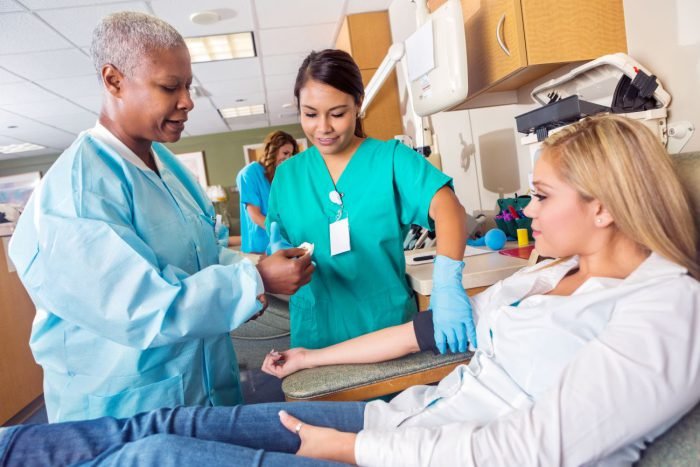
As more professionals seek work that aligns with their values, CUAA’s DE-MSN program is helping them pursue a vocation in nursing.
For some people, the path to nursing begins in high school. For others, it begins years later, with a question they cannot quite shake.
Maybe it emerges while caring for a loved one, serving in the community or reflecting on what they want from the next chapter of life. Whatever the circumstance, many arrive at the same realization: they want work that serves a greater purpose.
That desire is leading more professionals to nursing.
Their interest is part of a larger trend. Nursing is the largest healthcare profession in the U.S., with more than 5 million registered nurses serving patients and communities across the country. That reach, combined with the profession’s focus on service, continues to attract people looking for work that makes a meaningful difference.
At CUAA, students entering the Direct Entry Master of Science in Nursing (DE-MSN) program will come from many different backgrounds. What unites them is not a shared résumé. It is a calling to care for others.
Faculty members prepare students to care for the whole person by exploring the connection between physical health, mental well-being and spiritual care.
“Nursing education at Concordia goes beyond the physical aspects of care,” said Anita Simmons, MSN, RN, clinical instructor of nursing. “As important as that is, we also integrate the importance of spirituality in a person’s well-being and healing. We don’t have to shy away from discussing spirituality in healthcare because we recognize that God is our ultimate creator.”
Here are five reasons nursing continues to attract people seeking meaningful work.
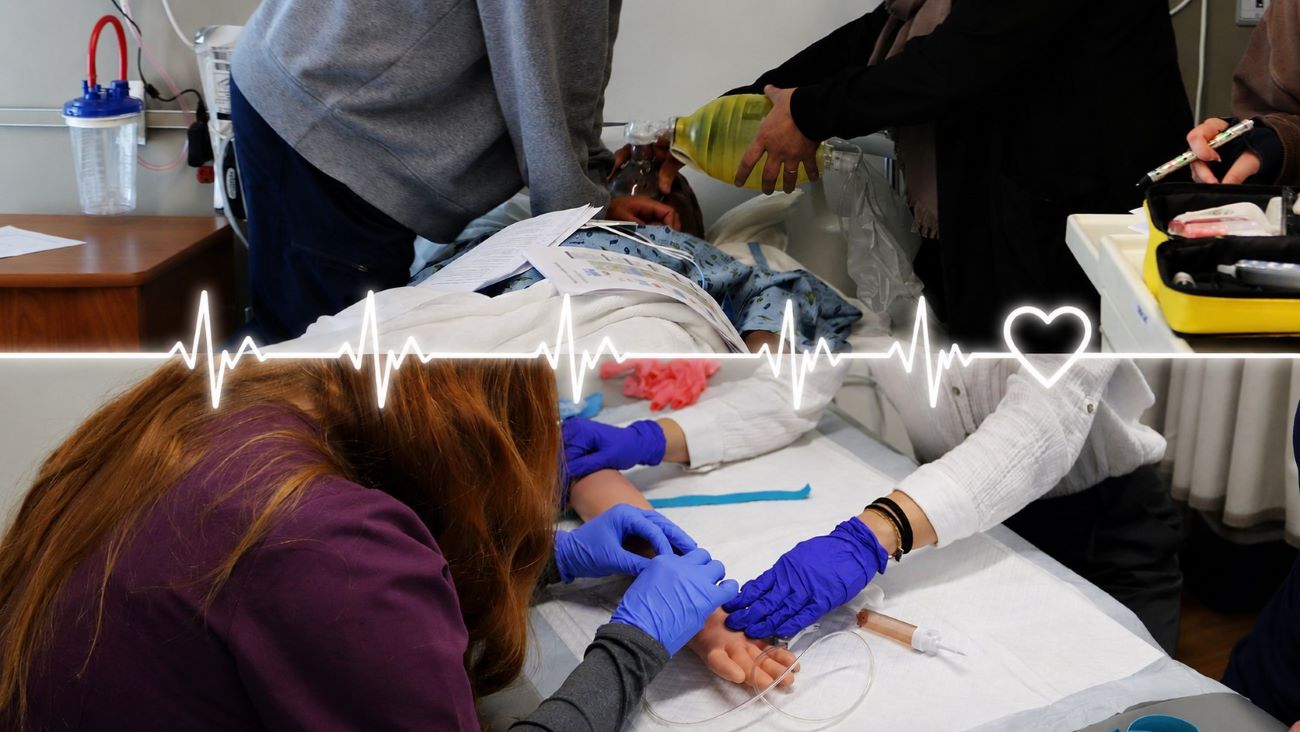
No. 1: Nursing is a profession rooted in service
Few careers place individuals in a position to help others as directly as nursing.
Nurses care for people during moments of uncertainty, celebration, grief, healing and hope. They advocate for patients, support families and provide comfort when it is needed most. For many career changers, that opportunity to serve is what draws them to the profession.
In Notes on Nursing (1860), Florence Nightingale reflected on the idea of calling:
“What is it to feel a calling for anything? Is it not to do your work in it to satisfy your own high idea of what is the right the best…This is the ‘enthusiasm’ which everyone, from a shoemaker to a sculptor, must have, in order to follow his calling properly.”
That sense of calling remains strong today. A research study conducted by CUW faculty members found that 81% of 578 practicing nurses and nursing students felt ‘drawn by something beyond myself to pursue my current line of work,’ while 82% said the most important aspect of their career was helping meet the needs of others.
No. 2: Nursing offers purpose that lasts
Many professionals pursue a career change because they are searching for work that feels meaningful.
For some, nursing provides an opportunity to align their daily work with their values in a deeper way. Rather than leaving their previous experiences behind, career changers often discover new ways to use the skills they have already developed.
Every shift creates opportunities to comfort, educate, advocate and heal. The impact is personal and lasting.
Career changers often bring years of experience in leadership, communication, problem-solving and relationship building. Nursing gives them a new way to use those gifts in service to others.
As Mahatma Gandhi once said, “The best way to find yourself is to lose yourself in the service of others.”
No. 3: Nursing provides stability while serving a greater good
Answering a calling does not mean ignoring practical realities.
Many individuals considering the DE-MSN program are balancing family responsibilities, financial obligations and long-term career goals. Nursing offers the opportunity to pursue meaningful work while entering a field with strong demand and long-term employment opportunities.
Healthcare needs continue to grow, creating opportunities for nurses in hospitals, clinics, schools, community organizations and many other settings. According to the U.S. Bureau of Labor Statistics, employment of registered nurses is projected to grow 5% from 2024 to 2034, with approximately 189,000 openings projected each year during that period.
Nursing also offers competitive earning potential. Registered nurses earn strong salaries, while advanced practice roles such as nurse practitioners provide additional opportunities for professional growth, leadership and increased compensation.
Patricia Benner, RN, PhD, FAAN, a nationally recognized nurse theorist and educator, once observed, “There aren’t many professions in which you can have so much impact on people’s lives in such crucial and vulnerable times.”
That impact is one reason nurses remain committed to the profession. In the same CUW study, 85% of respondents said their nursing career was an important part of their life’s meaning.
No. 4: Nursing creates opportunities to serve in many ways
A calling can take many forms.
Some nurses work at the bedside. Others teach future healthcare professionals, conduct research, lead healthcare organizations, influence public policy or serve in community health settings. Nursing knowledge is valued across industries and communities.
That flexibility appeals to career changers who want a profession that can grow alongside their interests and life experiences. A nursing degree can lead to careers in hospitals, schools, businesses, insurance companies, public health organizations, higher education and many other sectors.
“The beauty of a career in nursing is that if new areas of patient care call to you in the future, just a few weeks of orientation often moves you into that area without new career training,” said John Dyson, PhD, associate professor and DE-MSN coordinator.
The value of CUAA’s DE-MSN program is that students graduate prepared for RN licensure while also earning a master’s degree. That preparation creates opportunities for future career growth, including the option to pursue nurse practitioner preparation through just six additional courses.
No matter the setting, the mission remains the same: caring for others.
No. 5: Nurses become trusted servants in their communities
Nursing does not stop when a shift ends.
Nurses often become trusted resources for family members, friends, church communities and neighbors. People look to them for guidance, reassurance, and understanding during difficult moments.
That trust extends well beyond the workplace. According to Gallup’s annual Honesty and Ethics survey, nurses have received the highest honesty and ethics ratings among the professions measured every year but one since 1999.
For Jessica Leiberg, PhD, DNP, dean of the School of Nursing, that trust reflects something deeper. “In every nurse’s hands, a community sees the love of Christ made practical, for what we do for the least among us, we do for Him.”
For many nurses, this is one of the profession’s greatest rewards: the opportunity to make a difference not only for patients but also for the communities they call home.
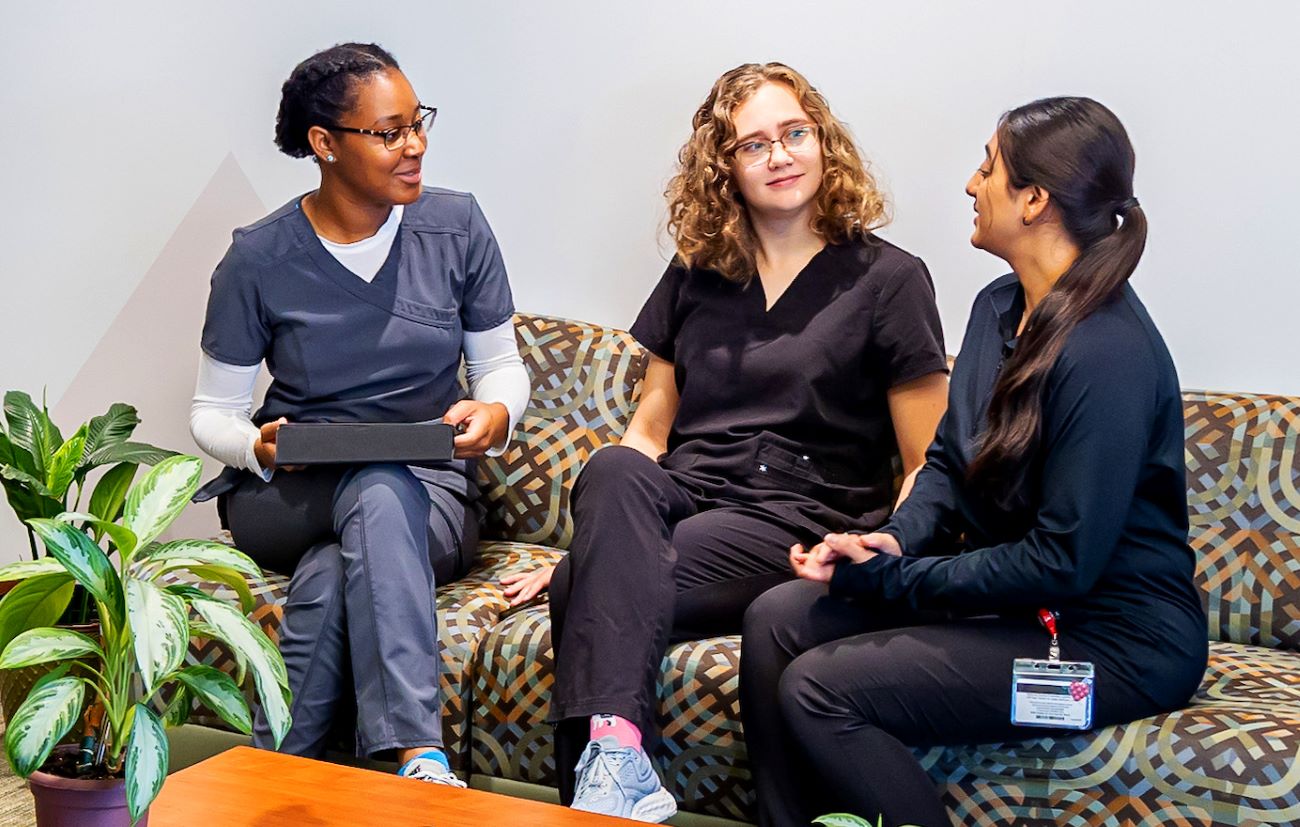
Answer the call
If you have found yourself searching for work that aligns with your values, your desire to serve and your vision for the future, nursing may be the path God is placing before you.
CUAA’s DE-MSN program is designed for individuals who hold a bachelor’s degree in a non-nursing field and are ready to pursue a new vocation in healthcare.
Through rigorous academics, hands-on clinical experiences and a supportive learning community grounded in Christian values, students gain the knowledge and skills needed to enter the nursing profession with confidence.
At CUAA, students are more than future nurses. They are individuals with unique experiences, goals and challenges. Faculty members walk alongside them throughout the journey, offering encouragement, mentorship and support along the way.
“We care for our students in all of these aspects as well,” Simmons said. “We talk to our students on a personal level and pray with them if they’d like. It’s a very family-oriented atmosphere.”
Your previous experiences matter. The skills you have developed matter. And the desire you feel to serve others may be pointing you toward something new.
Nursing is more than a career. For many, it is a calling.
Study note: Unless otherwise indicated, all references to “the study” or “study findings” in this article refer to research conducted by Concordia University faculty members Carol A. Lueders Bolwerk, PhD, RN; John Dyson, PhD, RN; and Brenda Jobe, DNP, RN, FNP. The study surveyed 578 practicing nurses and nursing students and was presented at the Caring for the Human Spirit Conference and Westberg Symposium in April 2024.
Further reading
- From calling to career: CUAA’s mission-driven nursing path
- Concordia University Responds to Nursing Shortage with New DE-MSN Program for Career Changers
Want in?
Concordia University Ann Arbor is a Lutheran higher education community committed to helping students develop in mind, body and spirit for service to Christ in the Church and the world.
Ready to take the next step? Learn more about our DE-MSN program and discover where your calling may lead.