
Concordia’s OT students learn how faith, meaning and human connection shape the healing process.
Occupational therapy spans every stage of life—from a child learning to hold a pencil to an older adult returning to activities that bring meaning to everyday life, whether that’s enjoying a morning cup of coffee, preparing a meal or spending time in the community.
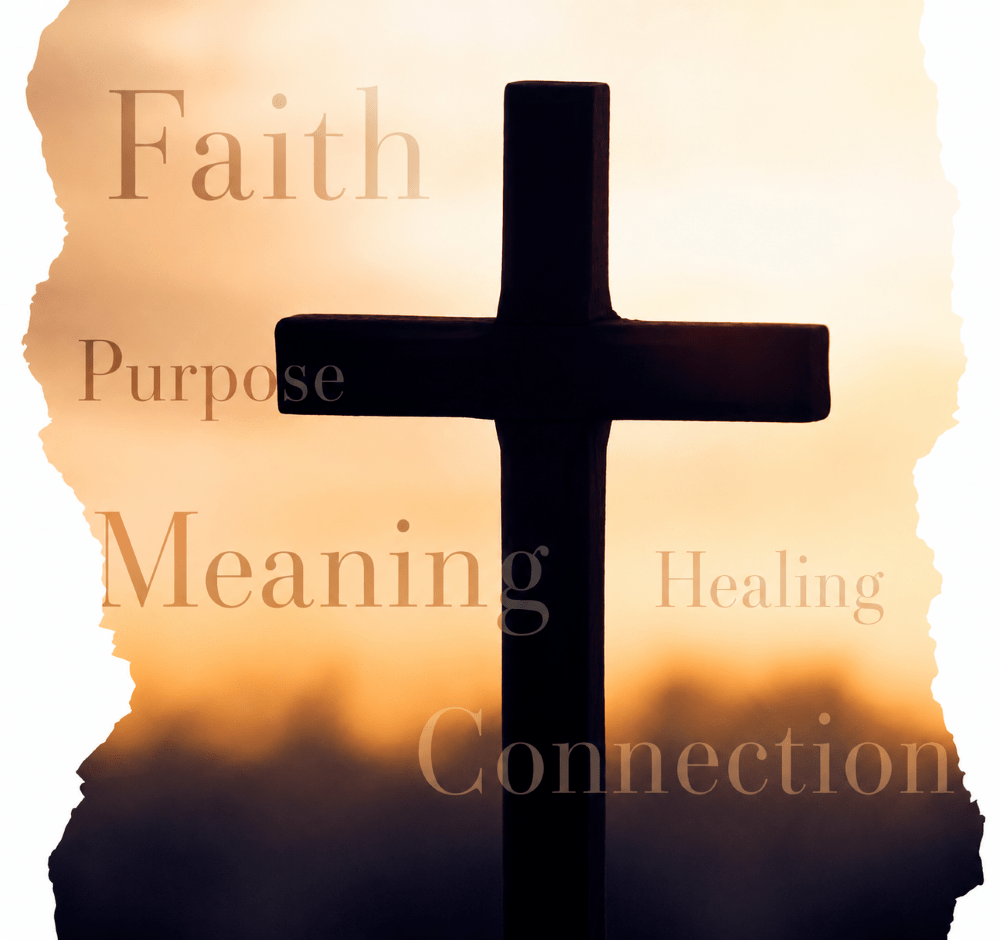
What many people may not realize is that spirituality often shapes that journey. OT students learn to recognize and respond to questions of meaning, purpose and identity that emerge throughout rehabilitation.
Now in its fourth year, the required course Spirituality and Occupation explores how values, beliefs and spirituality influence health and well-being.
According to Juliane Chreston, OTD, OTRL, director of CUAA’s occupational therapy program, the course was created to help students care for patients as whole people—not simply as diagnoses or treatment plans.
“Research shows that addressing spirituality improves patients’ experiences and outcomes,” Chreston said. “Most practitioners agree it matters, but they don’t always know how to address it in practice.”
Through the course, students learn how to navigate those conversations with care and incorporate spirituality into patient-centered practice.
Looking beyond physical recovery
Throughout the six-week course, students learn how to conduct spiritual assessments, ask thoughtful questions and understand how spirituality influences a client’s daily life. As they begin applying those concepts, many develop a broader understanding of spirituality’s role in practice.
“Sometimes spirituality emerges through how we interact with clients,” Chreston said. “Offering hope, encouragement, motivation and meaningful challenges can transform a routine therapy session into something deeper, helping clients reconnect with their identity, purpose and sense of worth.”
That shift was evident for Chloe Sagmani, a second-year Doctor of Occupational Therapy student.
“At the beginning of this course, I viewed spirituality primarily through the lens of religion and faith,” Sagmani said. “I now view spirituality as a highly individualized aspect of the human experience that deserves consideration within occupational therapy practice.”
Learning through practice
One of the course’s signature assignments places students in a simulated patient assessment. Working with a standardized patient in a virtual healthcare setting, students conduct a spiritual assessment and later participate in an interdisciplinary team meeting to discuss recommendations for care.
For classmates Trevor Durfee and Wyndhem Reid, the experience demonstrated how spiritual care can be woven into the broader OT process.
“I feel that this assignment brought everything we have learned so far together, including obtaining an occupational profile, performing an assessment, creating goals and planning interventions,” Durfee said.
For Reid, the simulation emphasized the value of thoughtful communication with patients. “As a future OT, this helps to remind me to not make assumptions, ask questions and remain open-minded,” Reid said.
Those skills were evident to Kendra Manduzzi, who served as the standardized patient for the exercise. Manduzzi, who has an acting background, first began serving as a standardized patient several years ago for Concordia’s physician assistant program after her daughter enrolled there. She has since worked with the OT program for about two years, helping students practice in a realistic clinical setting.
“All of the students asked probing questions to gather information on how I was doing physically and emotionally, while also trying to assess how my spirituality was affecting my recovery,” Manduzzi said. She noted that experiences like this allow students to practice communication skills, receive feedback and build confidence before interacting with patients in clinical settings.
Using trained actors as standardized patients creates a more authentic learning experience, Chreston said. Unlike classmates or faculty members, standardized patients portray cases consistently from one student to the next, allowing for a fairer assessment while helping reduce the added anxiety students may feel when faculty assume the patient role.
Working together to serve patients
OT students do not navigate these conversations alone. The course includes an interdisciplinary team experience involving professionals and students from fields such as nursing, physician assistant studies, physical therapy, social work and ministry.
After completing a spiritual assessment, students work alongside the team to consider a patient’s spiritual, physical and emotional needs and develop a plan of care.
“This experience showed me what it is like to work with a team and reason through addressing spirituality with clients in practice,” Durfee said.
Working alongside professionals and students from other disciplines gives future OTs a firsthand look at how collaborative care unfolds in practice. Rev. Dr. Edward Sikora, campus chaplain at CUAA, participated in one of the interdisciplinary discussions and believes these conversations are important for future healthcare professionals.
“Assessing a patient’s spirituality, which can seem difficult and sort of ‘out of one’s comfort zone,’ is an important aspect of OT care and can play a vital role in the continued restoration of the person’s health and overall quality of life,” Sikora said.
Learning from practitioners across the country
Each week, students meet virtually with OT practitioners from across the country. They discuss real-world cases and learn how clinicians address spirituality across a variety of practice settings. Hearing directly from them helps students connect course concepts to patient care.
“Practitioners discussed challenges, successes and ethical considerations that are difficult to fully appreciate through readings alone,” Sagmani said.
The discussions also allow students to contribute their own perspectives. They share current research, ask questions and reflect on how spirituality is being integrated into OT education today.
“This experience reinforced the importance of lifelong learning and professional collaboration,” Sagmani said. “It demonstrated that professional growth does not stop after graduation and that learning from colleagues is essential throughout one’s career.”
Preparing therapists for meaningful work
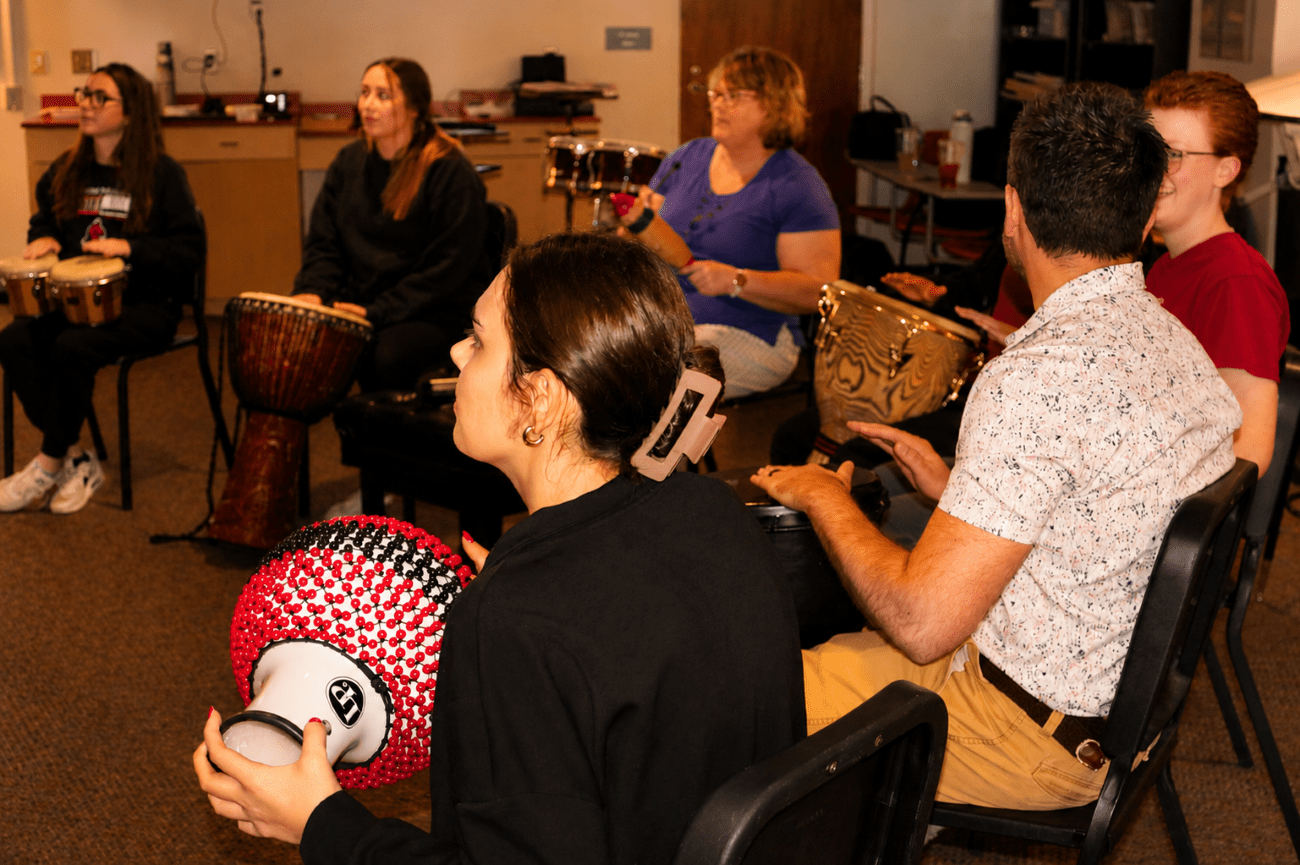
Together, these learning opportunities reinforce the course’s central message: caring for the whole person means recognizing the role spirituality can play in healing.
For Chreston, one of the most rewarding parts of the course is watching students deepen their understanding of spirituality in both their personal and professional lives.
Whether a patient is recovering from a stroke, adapting to a life-changing diagnosis or working toward returning to activities they value, questions of identity, purpose and meaning often emerge.
“Helping someone navigate that journey is part of the calling of occupational therapy,” Chreston said.
Students are beginning to recognize that reality. “Rather than asking whether spirituality should be addressed, I now recognize that spirituality is often already present within a client’s occupational story,” Sagmani said. “It will help me develop interventions that are more client-centered and personally meaningful.”
As the course continues to evolve, its purpose remains the same: preparing future occupational therapists to care for the whole person—mind, body and spirit.

Practioner perspectives
Through the course’s weekly virtual learning community, OTs from across the country join CUAA students to discuss spirituality in practice. According to Chreston, the learning community continues to grow each year, with more practitioners volunteering to participate in the course to mentor future therapists and share how they integrate spirituality into OT practice.
Julia Roberts
Occupational therapist | Massachusetts
“I was already integrating more spirituality into my practice than I realized through creative activities, meaningful occupations, meditation, mindfulness, and fostering hope and motivation in my clients.”
Takeaway: The course helped Roberts recognize how spirituality is often woven into everyday occupational therapy interventions.
Michele Obenland
Occupational therapist | Maryland
“The students shared current assessments and models of addressing spirituality in occupational therapy practice, drawing from research-based sources.”
Takeaway: Obenland appreciated learning alongside students and left encouraged by their preparation for practice.
Logan Leggett
Occupational therapist | North Carolina
“Spirituality is at the core of what we do as occupational therapists, whether we explicitly address it or not.”
Takeaway: Leggett was impressed by the students’ curiosity, thoughtful questions and growth throughout the course.
Want in?
Concordia University Ann Arbor is a Lutheran higher education community committed to helping students develop in mind, body and spirit for service to Christ in the Church and the world.
Click here to view a full list of the programs.